WHO pledges to support health ministry to turn global patient safety commitments into action
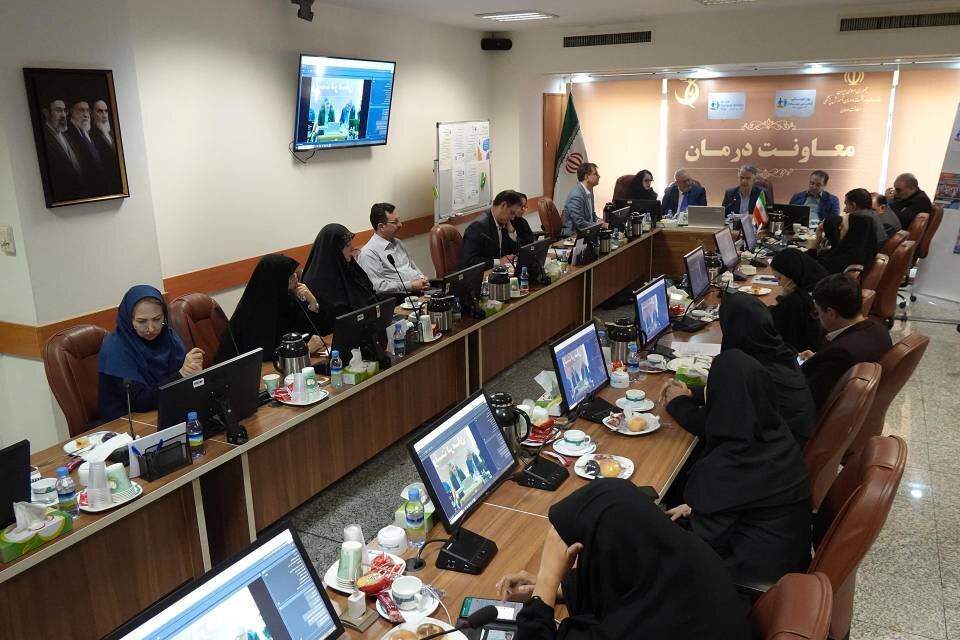
TEHRAN – Commemorating World Patient Safety Day 2026, the World Health Organization (WHO) Country Office in Iran reaffirmed its commitment to turn global patient safety commitments into practical action across hospitals, primary health care and communities as the Ministry of Health and Medical Education advances its patient safety agenda.
Hosted by the Health Ministry, the hybrid event brought together senior officials, including Deputy Ministers and Vice-Chancellors for Curative Affairs and Public Health from universities of medical sciences, as well as hospital and primary health care managers, university focal points, and WHO colleagues. Participants reaffirmed the importance of patient safety as a core component of quality health services and resilient health systems, the WHO website announced in a press release on September 21.
WHO provided technical and advocacy support for the commemoration, sharing the global messages and priorities of World Patient Safety Day and highlighting the need to integrate patient safety across all levels and settings of care. In his remarks, Dr Jean Jabbour, WHO Representative and Head of Mission in the Islamic Republic of Iran, reaffirmed WHO’s commitment to making safety an integral part of every health care interaction. He underscored that safer care contributes to improved health outcomes, prevents avoidable harm, and strengthens trust in health systems.
The event also highlighted the need for safe and continuous care for people living with non-communicable diseases (NCDs) during crises and emergencies, when disruptions to essential health services can put patients and communities at greater risk.
A message from the WHO Regional Director for the Eastern Mediterranean, delivered by Dr Adham Ismail, Officer-in-Charge, was presented during the ceremony, with subtitles in Farsi, reinforcing the regional and global commitment to advancing patient safety.
The ceremony highlighted several priorities aligned with the global patient safety agenda, including: strengthening reporting and learning systems for patient safety incidents; building a culture of safety among health care providers; engaging patients, families and communities; improving health literacy; addressing medication-related risks such as polypharmacy; and extending patient safety efforts beyond hospitals to primary health care and other levels of care.
The commemoration also provided an opportunity for WHO and the Ministry of Health and Medical Education to identify areas for continued technical collaboration, including: knowledge exchange; strengthening patient safety assessment; and follow-up on capacity-building under the Hospital Patient Safety Assessment Manual and the Patient Safety Assessment Manual for Primary Care.
These discussions reflect WHO’s role in bringing global evidence, standards and tools to the national context, facilitating knowledge exchange, supporting capacity-building and convening partners around practical actions to strengthen patient safety.
World Patient Safety Day is observed on September 17 every year and serves as an opportunity to raise public awareness, enhance collaborations among healthcare stakeholders, and expedite measures to reduce preventable harm associated with the delivery of health services.
Each year, the day is observed under a specific slogan. In 2026, it focuses on safe care for NCDs, under the theme ‘Safe care for life!’.
NCDs such as cardiovascular diseases, cancers, diabetes, and chronic respiratory diseases are among the most significant global health challenges, accounting for 74 percent of deaths worldwide; they affect people of all ages and require constant, lifelong care. Patients’ frequent interactions with the healthcare system can put their safety at risk. These risks are also influenced by health system challenges and the broader determinants of health.
According to the World Health Organization (WHO), 1 in 10 patients is harmed during health care, with around half of this harm being considered preventable. People living with NCDs are particularly vulnerable to harm due to the long-term nature of their conditions, ongoing treatment needs, and frequent interactions with health systems.
With some conditions, such as cancer, up to 1 in 3 patients experience adverse events during care. Many people also live with multiple chronic conditions, further increasing the risk of harm.
Addressing NCDs is a global priority, reflected in the United Nations political declaration on NCDs and mental health, which calls for strengthened prevention and long-term management of NCDs. Achieving these commitments requires access to safe and quality care.
Improving safety in NCD care requires addressing risks related to the complexity of care, strengthening health systems through a primary health care approach and tackling wider determinants that can increase the risk of harm. The day also highlights the importance of engaging people with lived experience in the design and delivery of NCD services and in their own care.
Leave a Comment